
The short version: your hotel, food and attractions in the US are priced in US dollars, and right now every US$100 costs about C$142. On top of that, oil above US$100 a barrel has pushed up airline costs and added fuel surcharges to some bookings, and gas at home is up almost 28% on a year ago.
You can't fix the exchange rate. But you can control when you book, how you pay and where you fly from, and those can easily be worth more than the currency is costing you.
The loonie: about 71 US cents
On October 16, one US dollar cost C$1.4157, according to the US Federal Reserve's daily exchange-rate series. Put the other way, a loonie is worth about 70.6 US cents.
That gap is where most of a US trip's cost hides, because almost everything after the flight is priced in US dollars:
- A US$250 hotel night is about C$354 before taxes.
- A US$60 dinner for two is about C$85, before the tip.
- A US$150 theme park ticket is about C$212.
Then most Canadian credit cards add a foreign transaction fee of about 2.5% on every US purchase. On a trip where you spend US$2,000, that's roughly another C$70 for nothing.
Where the loonie goes next depends partly on interest rates. The Bank of Canada's next rate decision is on Wednesday, October 28. If you follow the markets side, SignalStreet's economic calendar tracks that decision alongside the US data releases that tend to move the dollar. We won't guess the outcome, and neither should your travel budget: plan with today's rate.
Oil above US$100, and what it does to your ticket
Oil prices jumped this year after the conflict involving Iran disrupted shipping through the Strait of Hormuz, and they've been volatile since. By early October, Brent crude was back above US$101 a barrel amid renewed attacks on tankers. In SignalStreet's weekly market recap for the week to October 23, US crude (WTI) was at US$107.89, and Canada's inflation rate had ticked up to 3.1%.
For airlines, fuel is one of the biggest costs, roughly 25 to 30% of operating costs according to analysis reported by The Logic, so expensive oil shows up in your fare one way or another. This spring, Canadian airlines added fuel surcharges to some bookings, for example:
- Air Canada Vacations: C$50 on selected sun-destination packages.
- WestJet: C$60 on bookings made with a WestJet Rewards companion voucher.
- Porter: C$40 per flight on VIPorter points redemptions.
Fares rose too. This spring, fares from Canada to New York were up 34.2% on a year earlier, according to figures reported by The Logic in May. Airlines also trimmed capacity on some routes, and fewer seats usually means fewer cheap seats.
The road trip doesn't escape it
Driving south instead? Statistics Canada says gasoline prices were up 27.8% year over year in September, the main reason inflation rose to 3.1%. Fill up on the Canadian side if it's cheaper that day, but budget for higher prices at the pump in both countries.
What you can still control
Pick the day, not just the route. The difference between the cheapest and most expensive day in the same month is often bigger than anything the exchange rate does. Search Toronto to New York or Vancouver to Las Vegas on Viorvo and check the fare calendar before you pick dates.
Set a price alert on the route you want. When a fare drops, you'll hear about it before it's gone. Set up a deal alert.
Compare Buffalo, but do the maths. Flying from Buffalo can be cheaper for families heading to Florida or Las Vegas, but parking, tolls and the drive add up. Our Buffalo vs Toronto guide has a break-even calculator.
Pay in US dollars with a no-FX-fee card. When a US hotel or shop asks whether to charge you in Canadian dollars, say no: the conversion they offer is usually worse than your card's. And a card without the 2.5% foreign transaction fee saves you that on every purchase.
Check what's included. Surcharges and bag fees often appear late in the booking. Compare the final total, with bags, not the first price you see.
Look at trips priced in Canadian dollars. If the US numbers don't work, a trip within Canada avoids the exchange rate entirely, and package holidays sold in Canadian dollars at least lock in the price when you book.
What to watch before you book
Three things will shape what your trip costs this winter: the Bank of Canada decision on October 28, where oil goes as the situation in the Strait of Hormuz develops, and how airlines price their winter schedules. We track the fares; for the markets side, SignalStreet publishes a five-minute recap every Friday.
This guide is about travel costs, not investment advice. Prices and rates change daily; everything here is dated so you can see how fresh it is.
See the lowest fares and cheapest months
Each page shows the lowest round-trip and one-way fares from real searches, plus a month-by-month price chart. Or search any route.
Related guides
Get flight deals from your city by email
One short email a week, only when we find a real deal from your city. Every fare is re-checked live before we send it. Free, and you can unsubscribe any time.
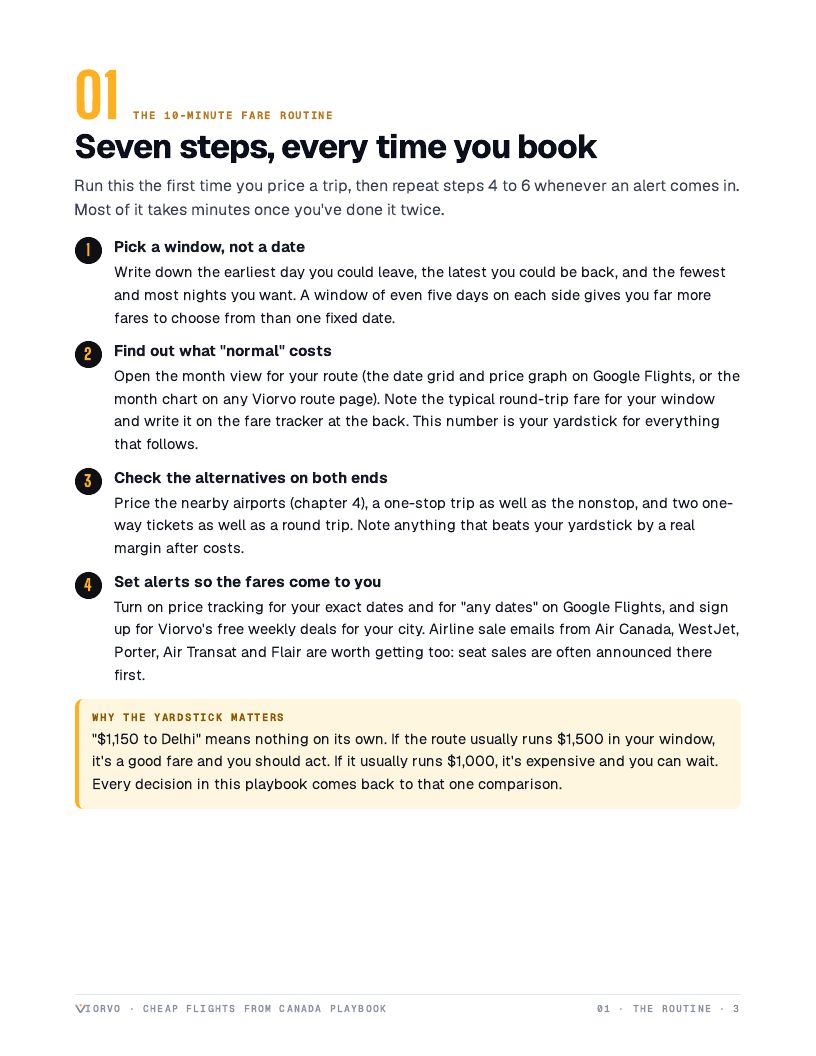
The seven steps we use to tell a good fare from a bad one, plus a before-you-pay checklist. Chapter 1 of our Cheap Flights from Canada Playbook.
Common questions
Why is it so expensive to travel to the US from Canada right now?
Three things at once: the Canadian dollar is worth about 71 US cents (C$1.4157 per US dollar on October 16, 2026), oil above US$100 a barrel has raised airline costs and added some fuel surcharges, and Canadian inflation is 3.1%, led by gasoline.
How much is US$100 in Canadian dollars?
About C$142 at the October 16, 2026 rate of C$1.4157 per US dollar, before any credit card foreign transaction fee (often about 2.5%).
When is the next Bank of Canada rate decision?
Wednesday, October 28, 2026. The Bank's other remaining 2026 date is December 9.
Should I pay in Canadian or US dollars when travelling in the US?
Usually in US dollars. The conversion a hotel or shop offers at the till is typically worse than your card's rate. A card with no foreign transaction fee saves you about 2.5% on every purchase.
Sources
Checked October 25, 2026. Rules, prices and opening hours change, so confirm before you travel.
- Federal Reserve Bank of St. Louis (FRED): Canadian dollars to one US dollar, daily
- SignalStreet: weekly market recap, week ending October 23, 2026
- SignalStreet: economic calendar
- Bank of Canada: 2026 schedule for policy interest rate announcements
- Statistics Canada: Consumer Price Index, September 2026
- Yahoo Finance: oil prices climb above $100 on Strait of Hormuz attacks (Oct 7, 2026)
- The Logic: Canada should brace for the impact of the oil crisis on airlines (May 1, 2026)
- TravelPulse Canada: Canadian airlines add fees, cut flights as oil prices climb (April 2026)
More guides
Related routes
The route pages travellers look at most, with fares from our daily price checks.